In 1970 the American Psychiatric Association included a program on "Issues of Sexuality" at its annual conference in San Francisco. In the middle of the discussion several radical homosexual activists got up and demanded they be heard. The APA was flustered and in fear of future incidents offered gay rights activists the opportunity to participate in a panel. The 1971 panel went smoothly, but did not get the kind of attention activists had hoped for. Franklin Kameny and Barbara Gittings set up an exhibit on gay issues at the conference and soon found that there were many straight psychiatrists who agreed with their views of homosexuality, and even a group of closeted gay psychiatrists within the APA.
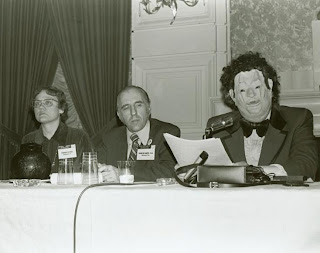
Gittings and Kameny figured that if they presented a gay psychiatrist at next year's panel they could convince the APA that they were wrong in their understanding of homosexuals. Finally one psychiatrist agreed to present himself as "Dr. Henry Anonymous." However, the doctor wore a mask and used a voice-distorting microphone to conceal his appearance. The anonymous presenter was extremely effective and by December of 1973 the Board of Trustees had voted in favor of homosexuality's reclassification.
Tragedy in New Orleans
In 1973 the local branch of the Metropolitan Community Church held its services in a gay bar called UpStairs in the French Quarter of New Orleans. During service someone set fire to the wooden stairs leading to the second-floor front door of the bar then that person rang the buzzer and made their escape. At least ten people jumped to their deaths, while some got stuck in the windows and burned to death. Fifteen people were sent to the hospital, and twenty-nine bodies were collected-- although a total of thirty-two people would eventually die from the fire.
The community was embarrassed by the event because it involved homosexuals. Therefore, no press or talk of the real reason behind this tragedy happened. The victims of the event were looked down on and ostracized in their community-- now that they had publicly been outed New Orleans would no longer support them or their well-being.
A Flurry of Progress:
Overall the 1970s showed much progress in the gay rights movement. Gay rights activists were finding more and more supporters among straight politicians, most notably New York City Congresswoman Bela Abzug and San Francisco's State Assemblyman Willie Brown. The Alice B. Toklas Memorial Democratic Club, a San Francisco gay political club, organized the gay voting bloc in the city and helped arrange speakers at the national Democratic convention in 1972. In 1973 the National Gay and Lesbian Task Force was formed as a truly national gay rights organization.
The NGLTF created much change for the American homosexual. They were instrumental in getting the U.S. Civil Service Commission to stop excluding homosexuals from federal employment in 1975, and it helped make gay rights an official priority of the Democratic Party during the 1976 and 1980 national conventions. Activists even nominated a gay vice presidential candidate, Melvin Boozer, for the Democratic Party at the 1980 convention. In 1975, Elaine Noble, elected to office in the Massachusetts House of Representatives, was the first openly homosexual legislator. In San Francisco a young gay camera shop owner named Harvey Milk won a seat on the Board of Supervisors in 1977. In March of that same year gay activists were invited for a meeting with President Jimmy Carter's public liaison, Midge Costanza.
Unfortunately all this progress would not increase. Towards the end of the decade the gay rights movement lost its fervor. Many attribute this laziness about political action among gays and lesbians as being attributed to the general dissipation of the Left and the end of the antiwar movement. Thus the gay culture became enveloped in partying and discos. Though this highly stereotypical image of homosexuals as party-goers did allow them to be more openly discussed in mainstream media, the image created for the culture became one of comic-relief for straight eyes.
Gittings and Kameny figured that if they presented a gay psychiatrist at next year's panel they could convince the APA that they were wrong in their understanding of homosexuals. Finally one psychiatrist agreed to present himself as "Dr. Henry Anonymous." However, the doctor wore a mask and used a voice-distorting microphone to conceal his appearance. The anonymous presenter was extremely effective and by December of 1973 the Board of Trustees had voted in favor of homosexuality's reclassification.

Tragedy in New Orleans
In 1973 the local branch of the Metropolitan Community Church held its services in a gay bar called UpStairs in the French Quarter of New Orleans. During service someone set fire to the wooden stairs leading to the second-floor front door of the bar then that person rang the buzzer and made their escape. At least ten people jumped to their deaths, while some got stuck in the windows and burned to death. Fifteen people were sent to the hospital, and twenty-nine bodies were collected-- although a total of thirty-two people would eventually die from the fire.
The community was embarrassed by the event because it involved homosexuals. Therefore, no press or talk of the real reason behind this tragedy happened. The victims of the event were looked down on and ostracized in their community-- now that they had publicly been outed New Orleans would no longer support them or their well-being.
A Flurry of Progress:
Overall the 1970s showed much progress in the gay rights movement. Gay rights activists were finding more and more supporters among straight politicians, most notably New York City Congresswoman Bela Abzug and San Francisco's State Assemblyman Willie Brown. The Alice B. Toklas Memorial Democratic Club, a San Francisco gay political club, organized the gay voting bloc in the city and helped arrange speakers at the national Democratic convention in 1972. In 1973 the National Gay and Lesbian Task Force was formed as a truly national gay rights organization.
The NGLTF created much change for the American homosexual. They were instrumental in getting the U.S. Civil Service Commission to stop excluding homosexuals from federal employment in 1975, and it helped make gay rights an official priority of the Democratic Party during the 1976 and 1980 national conventions. Activists even nominated a gay vice presidential candidate, Melvin Boozer, for the Democratic Party at the 1980 convention. In 1975, Elaine Noble, elected to office in the Massachusetts House of Representatives, was the first openly homosexual legislator. In San Francisco a young gay camera shop owner named Harvey Milk won a seat on the Board of Supervisors in 1977. In March of that same year gay activists were invited for a meeting with President Jimmy Carter's public liaison, Midge Costanza.
Unfortunately all this progress would not increase. Towards the end of the decade the gay rights movement lost its fervor. Many attribute this laziness about political action among gays and lesbians as being attributed to the general dissipation of the Left and the end of the antiwar movement. Thus the gay culture became enveloped in partying and discos. Though this highly stereotypical image of homosexuals as party-goers did allow them to be more openly discussed in mainstream media, the image created for the culture became one of comic-relief for straight eyes.
